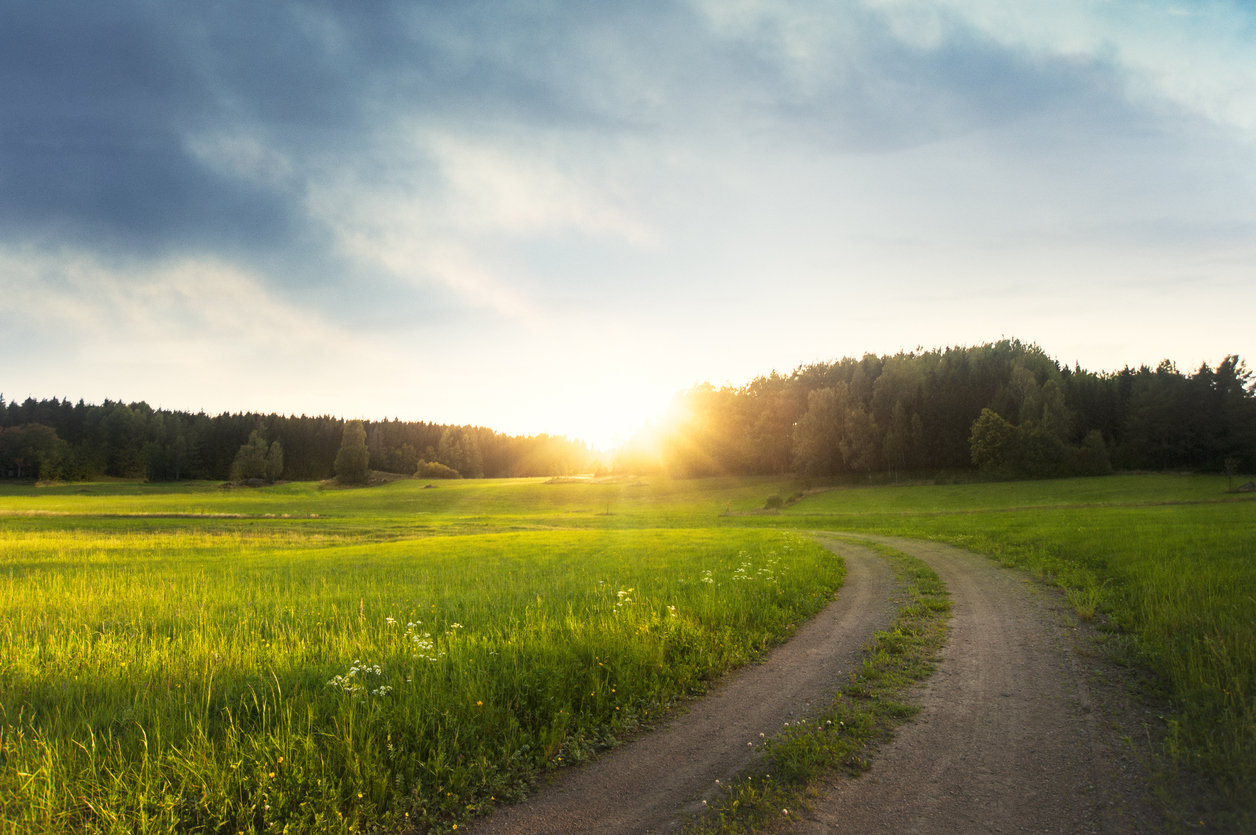
Vores team kan hjælpe dig, uanset om du er i processen med at købe eller sælge. Vi besidder dybdegående viden og kan tilbyde rådgivning omkring alle typer af landejendomme, lige fra omfattende produktionslandbrug til mindre hobbylandbrug. Selv om det måske kan være svært at vide hvornår det er den rette tid at sælge, så siger […]
Læs mere »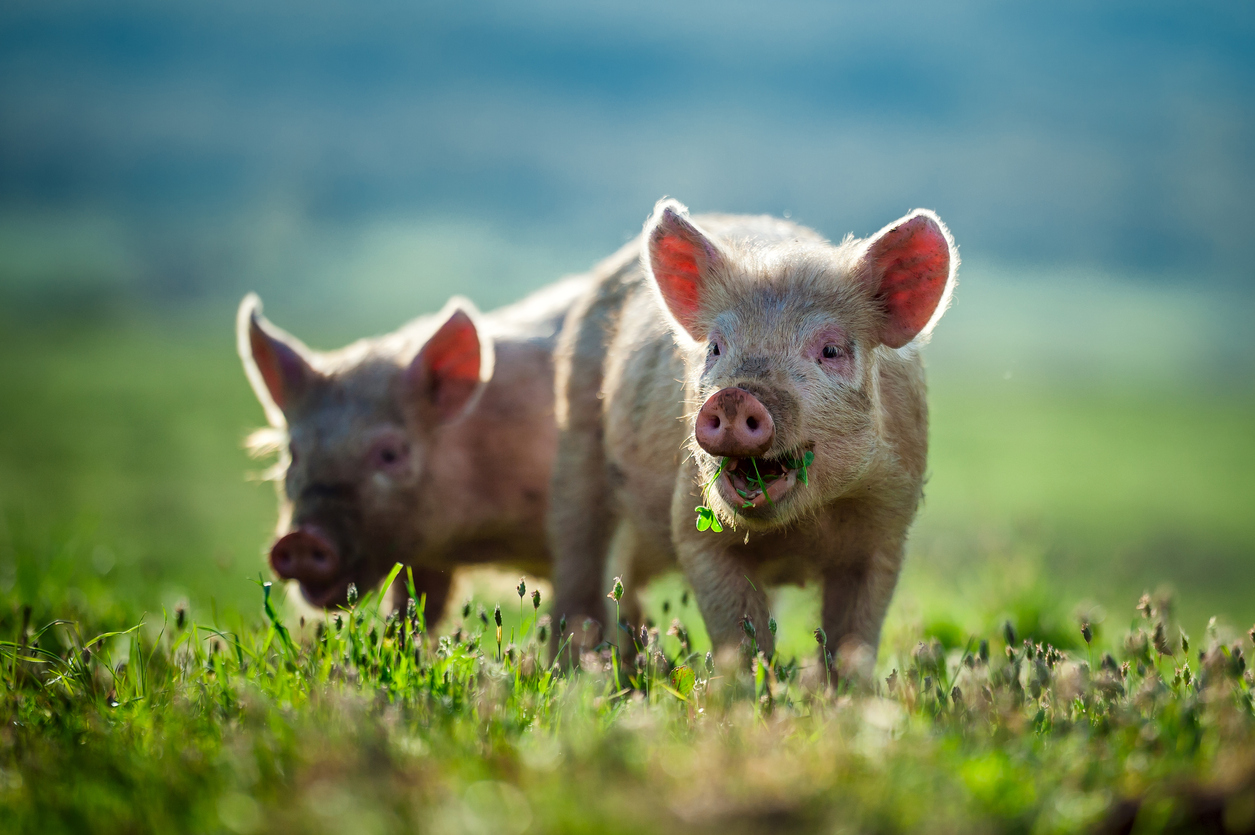
Sponsoreret indhold I mine unge år på landet har jeg tilbragt mange timer både i svinestalde, men også bag rattet på diverse landbrugsmaskiner og traktorer. Det er med stor glæde, at jeg tænker tilbage på tiden, hvor adskillige hestekræfter buldrede under mig og jeg var med til at drive et større landbrug med tilhørende stor […]
Læs mere »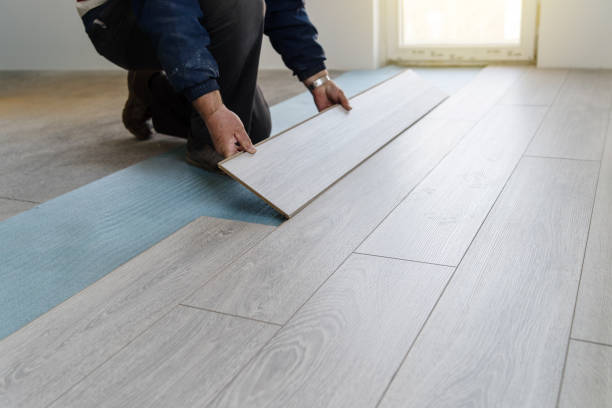
Sponsoreret indhold Vores hus har efterhånden været igennem en del renovering. Jeg nævnte det også i mit sidste blogindlæg om vores renovering af kontoret som er den seneste opdatering i vores hjem. Nu har både gæstetoilettet og badeværelset fået en tur og køkkenet som dog kun er fra 00’erne har også fået skiftet alle lågefronterne, […]
Læs mere »
Sponsoreret indhold Dengang jeg var barn, så var auktioner sådan noget med gamle malerier og antikke møbler. Men faktisk går konceptet auktioner længere tilbage end dengang jeg var dreng. Auktioner har været en kendt handelsform, som har eksisteret længe før vores tidsregning. Man hører eksempler på det igennem historien og der er fundet beviser på […]
Læs mere »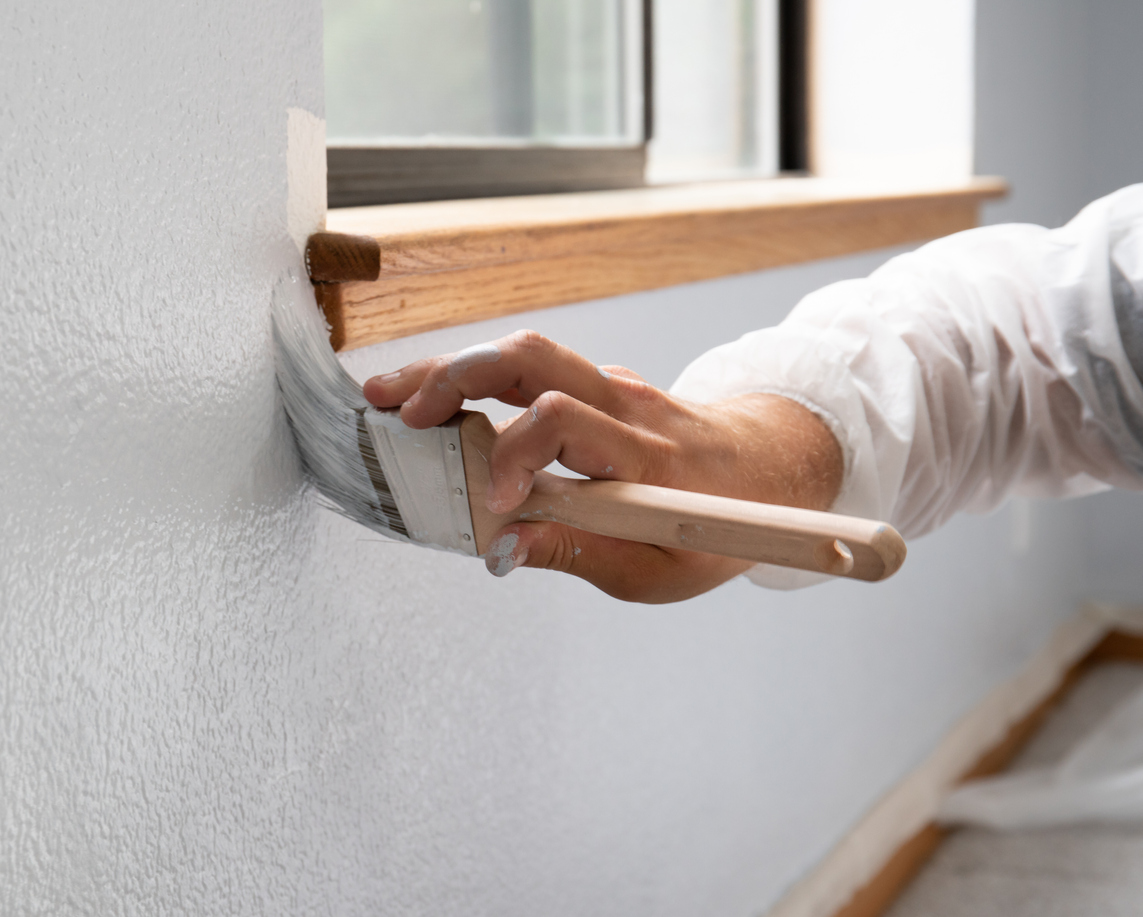
Sponsoreret indhold Tina og jeg har længe talt om at skulle renovere kontoret. Efterhånden har vi været hele huset igennem. Både gæstetoilettet og badeværelset fik sig en overhaling for nogle år siden – Så de står stadig rigtig pænt. Heldigvis har vi været ret neutrale i vores valg af farverne til fliserne og interiøret, så […]
Læs mere »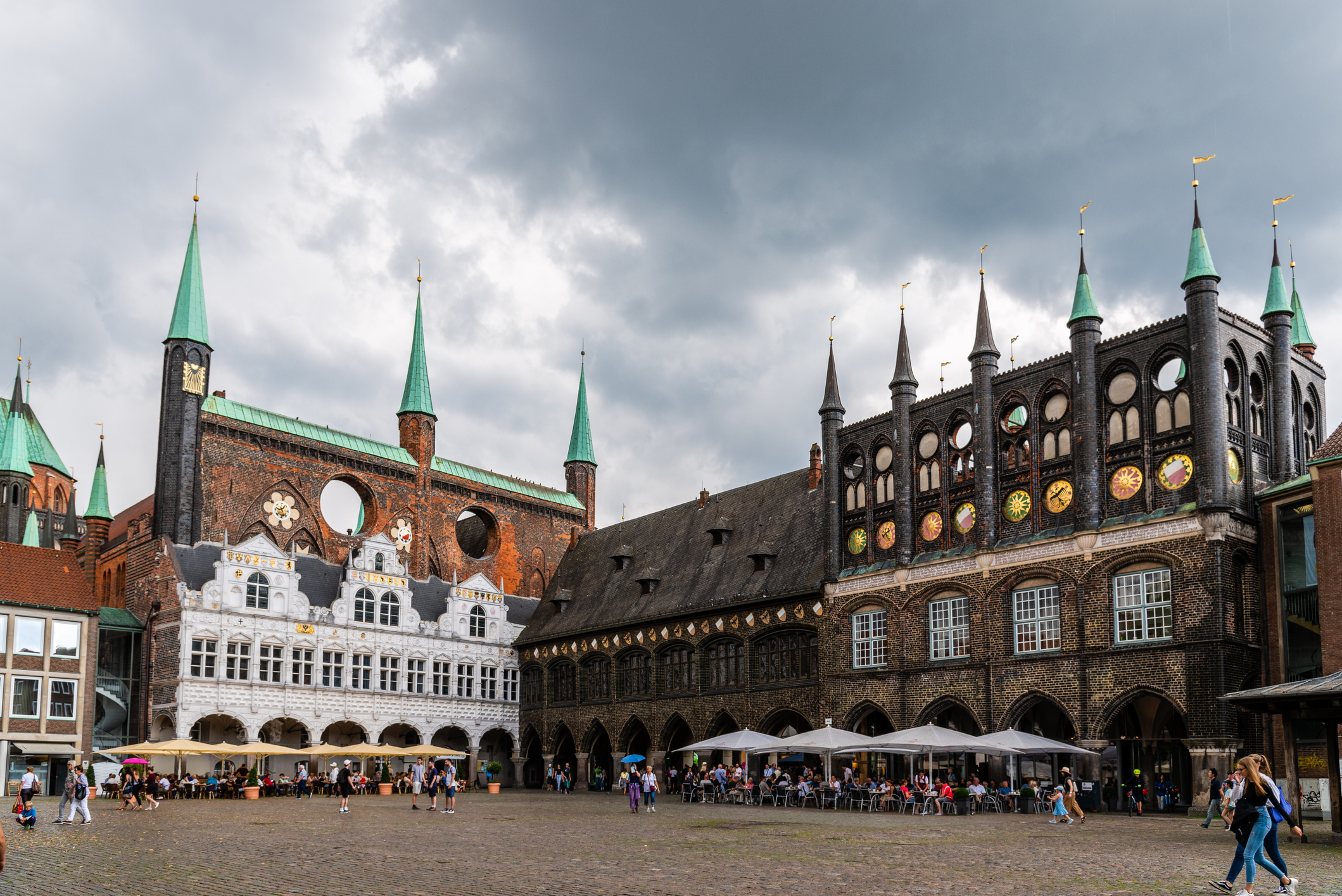
Sponsoreret indhold Som hele det danske land nok er klar over, så er Corona krisen over os. Det er ændret dagligdagen for os alle – for nogen dog mere end andre. Mange har været tvunget til at aflyse planer – Det har jeg også selv. Men det er et lille offer at bringe, når man […]
Læs mere »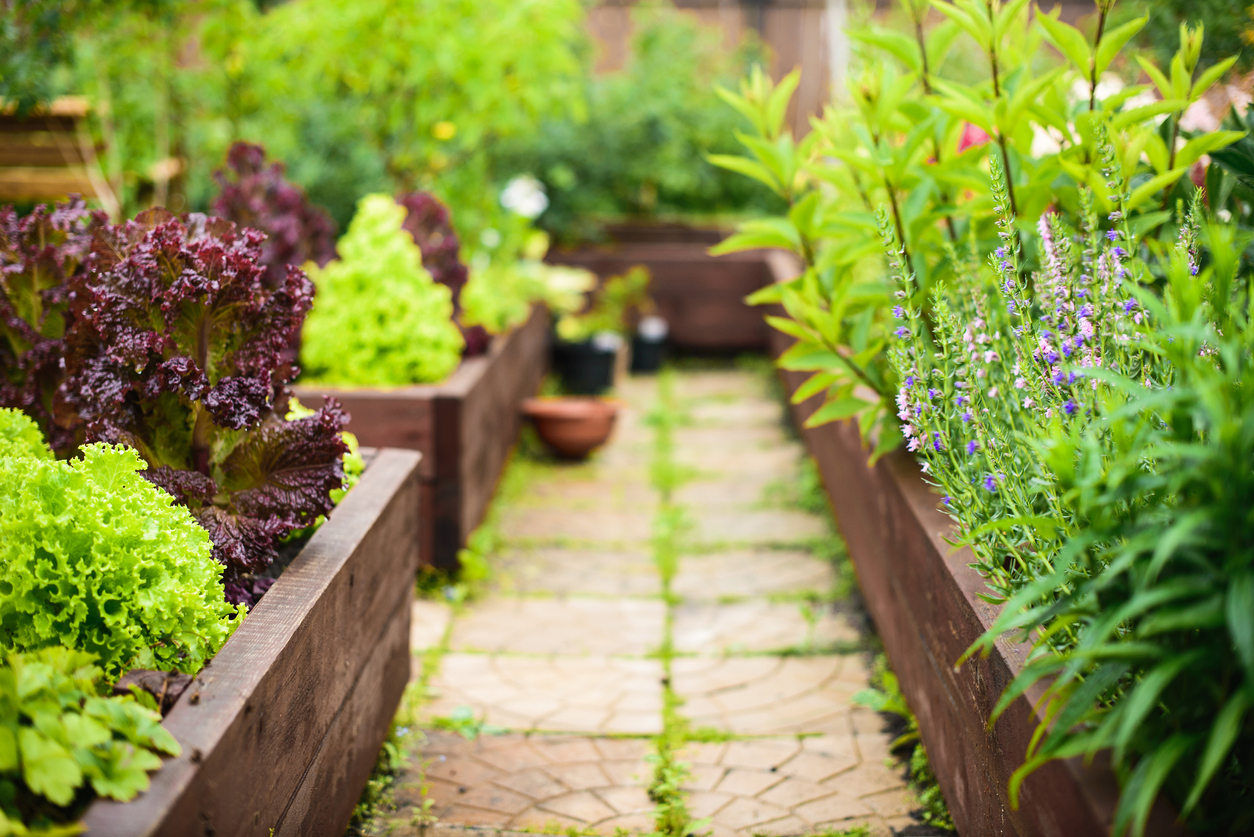
Sponsoreret indhold ”Du kan sove når du bliver gammel.” Et udsagn jeg ofte høre når jeg er ude at handle, når en teenager strækker sig gabende gennem butikken. Mange ting er sande med hensyn til det – mens en stor del er også falske. Det skal ikke være nogen hemmelighed, at der er tid til […]
Læs mere »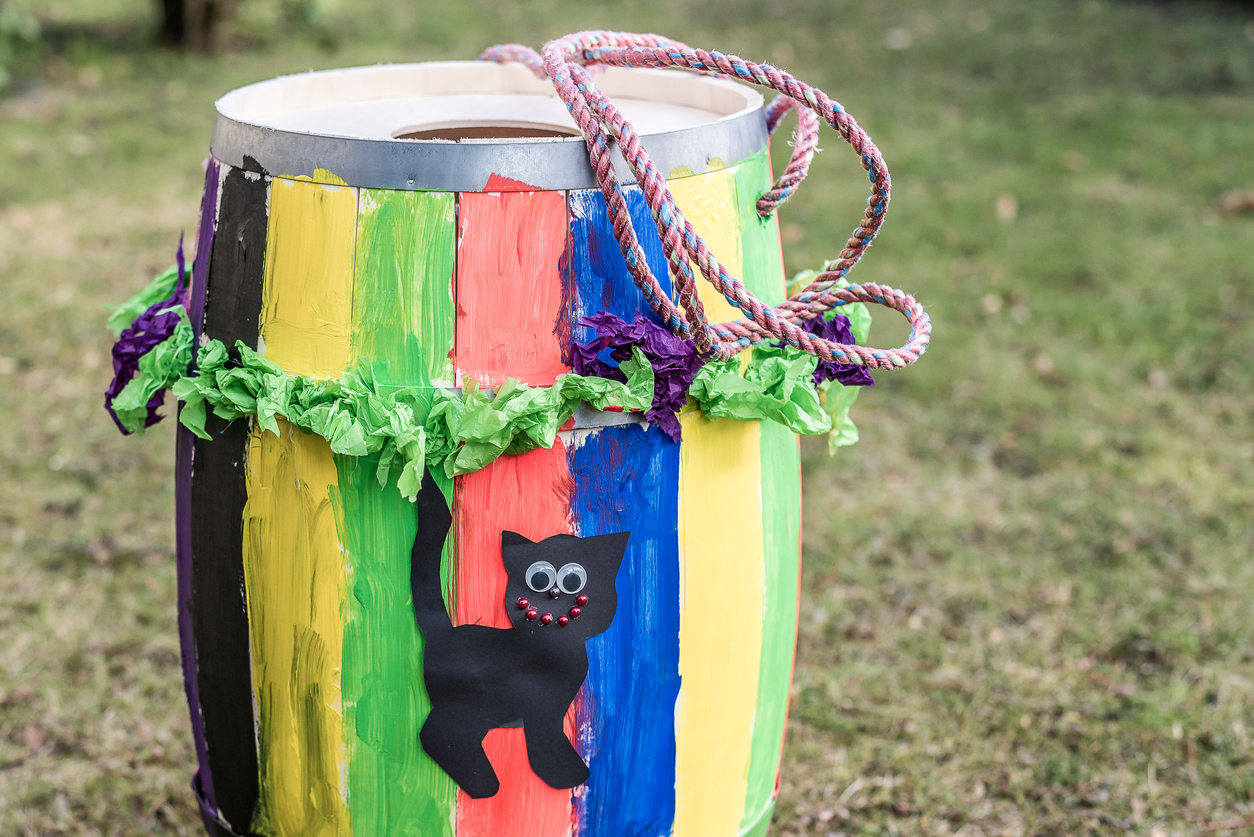
Sponsoreret indhold I weekenden havde vi besøg af vores søn Carl og vores børnebørn. Vi nyder altid det dejlige selskab og det glade humør, som specielt børnebørnene kommer med. Og denne weekend var ingen undtagelse – det var nemlig fastelavn om søndagen. Det betød en dag med udklædning, slå katten af tønden og selvfølgelig slik […]
Læs mere »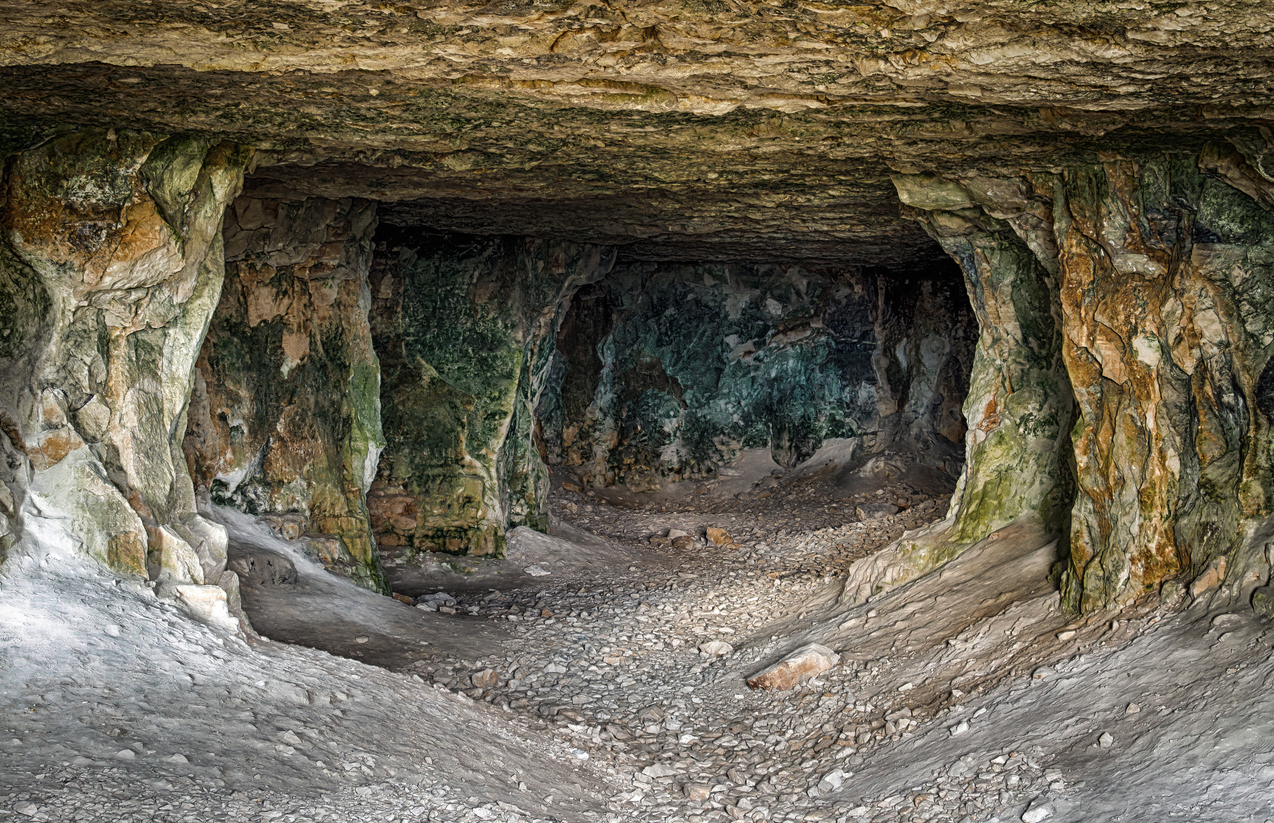
Sponsoreret indhold Tina og jeg har et vennepar, som går mange år tilbage. Vi ser dem ikke så ofte, grundet vores semitravle kalendere. Men det er ikke den eneste grund; De bor nemlig i Hirtshals. Med pressede tider, og for os nok at se til, kræver det en del planlægning. Jeg ved godt, at vi […]
Læs mere »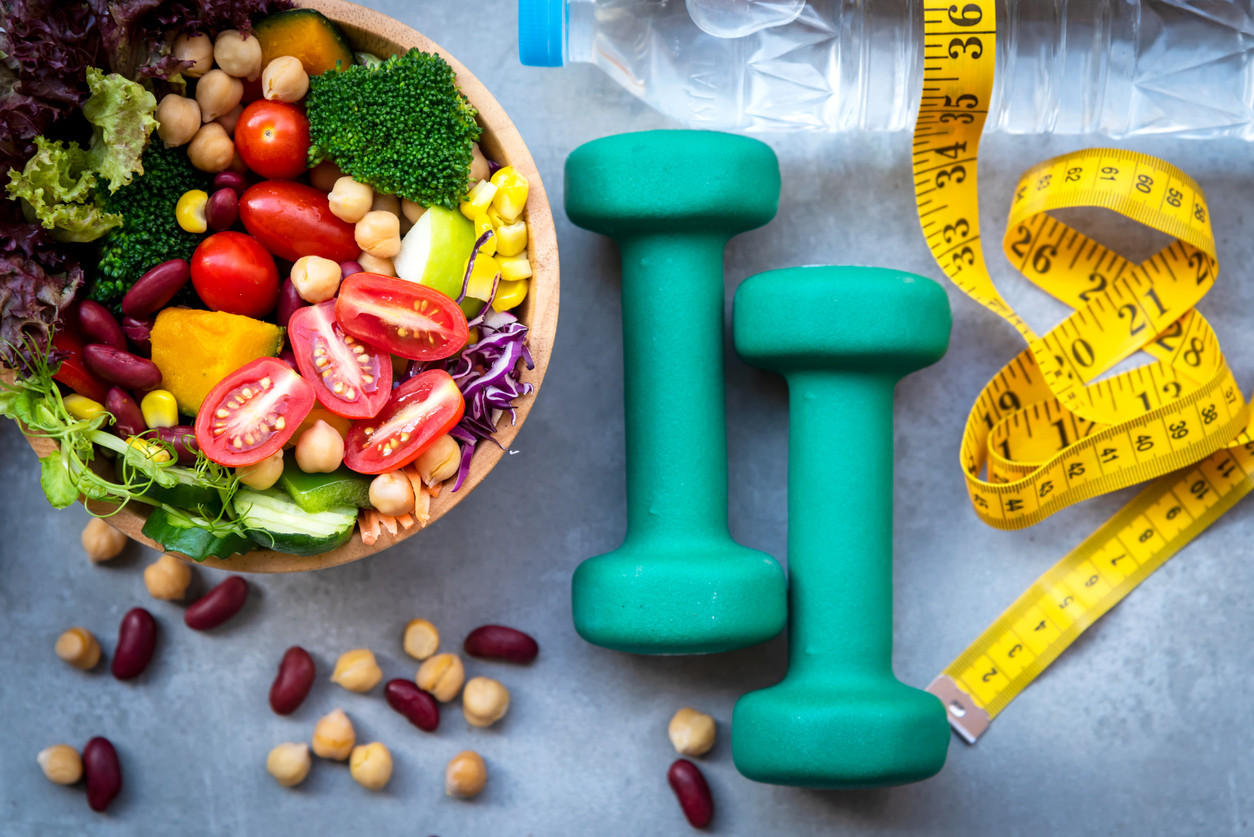
Sponsoreret indhold I de seneste år er der kommet mere og mere fokus på at leve et sundt liv. Man skal spise mere grønt, spise mindre rødt kød og man skal bevæge sig mere. Det er noget som jeg har taget til mig, specielt her det sidste halve års tid. Det startede egentlig helt tilbage […]
Læs mere »
Vores team kan hjælpe dig, uanset om du er i processen med at købe eller sælge. Vi besidder dybdegående viden og kan tilbyde rådgivning omkring alle typer af landejendomme, lige fra omfattende produktionslandbrug til mindre hobbylandbrug. Selv om det måske kan være svært at vide hvornår det er den rette tid at sælge, så siger […]

Sponsoreret indhold I mine unge år på landet har jeg tilbragt mange timer både i svinestalde, men også bag rattet på diverse landbrugsmaskiner og traktorer. Det er med stor glæde, at jeg tænker tilbage på tiden, hvor adskillige hestekræfter buldrede under mig og jeg var med til at drive et større landbrug med tilhørende stor […]